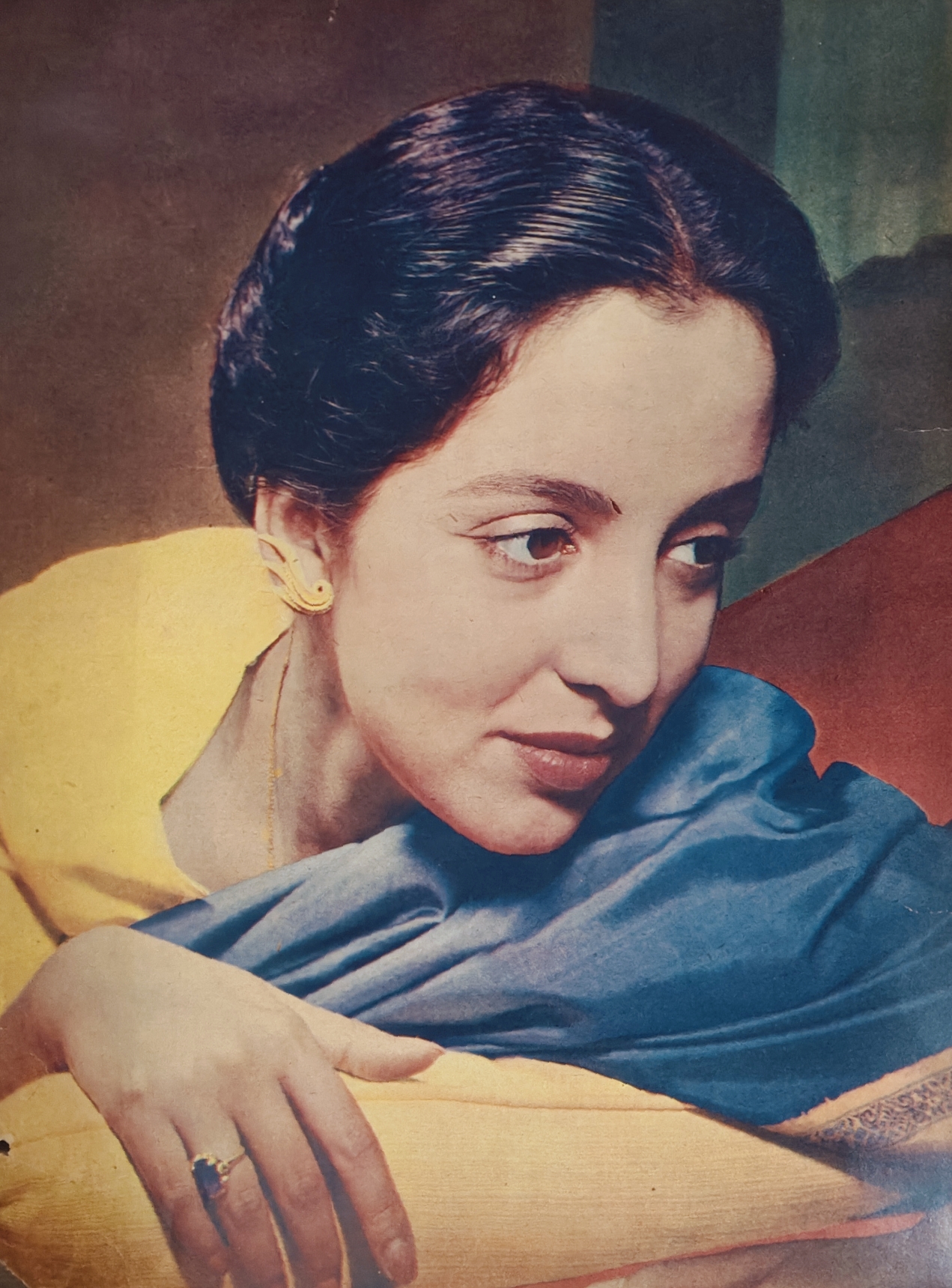
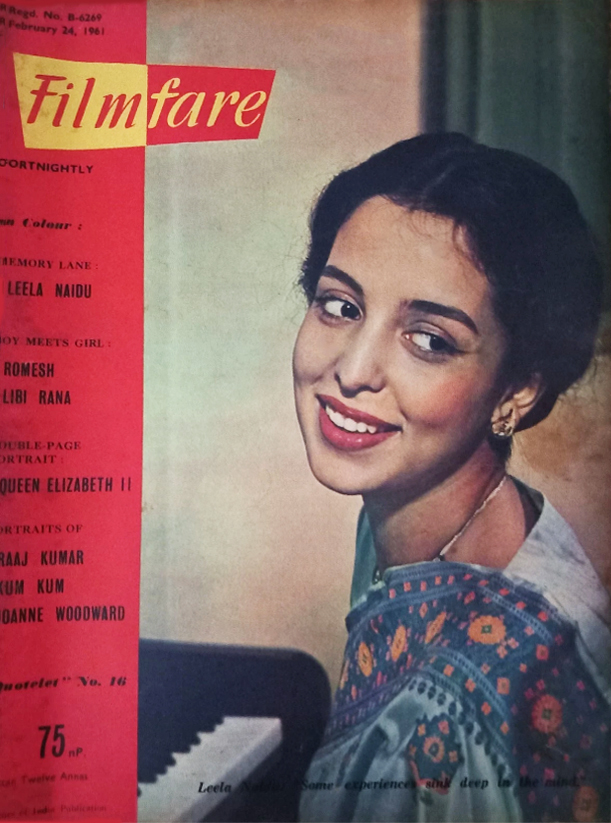
Not many actresses leave a mark with just a few films in their lifetime. Leela Naidu had a spark that made her stand out in the film industry, even though she was never part of the ‘top’ star bracket that usually defined a popular actress in the 1960s. Launched in films by legendary filmmaker Hrishikesh Mukherjee, Leela captivated audiences nationwide with her handful of films, cultivating a devoted fan following that endures decades after her debut.
Born in 1940 to nuclear scientist Dr. Ramaiah Naidu (who hailed from Chittoor, Andhra Pradesh) and his Swiss-French wife Marthe (who was an Indologist), Leela loved music, and her mother would often play beautiful lullabies and French songs, sometimes on the piano. Hindi and English songs captivated her on the radio. Polish composer Frédéric François Chopin’s music influenced her most after she turned five. She began learning the piano and also became one of the youngest entrants to the Music Academy in Geneva.
Moving from music to dance, Leela learned ballet at age eight. Her dance training took place at the Institute of Eurhythmics, where she first encountered a film camera at the age of nine during the filming of a documentary.
It was in 1950 that she appeared in a play titled ‘Leela – I the Soul Who Wanted to Equal the Gods’ at her Geneva school. One of her schoolmates was so impressed with her performance that he later featured her in one of his experimental films, Birth of a Soul. This film was recognized at the Cannes Film Festival. Leela continued performing in French and English plays during her European schooling, while frequent trips to India kept her connected to her roots.
In 1954, Leela rose to prominence by not only winning the coveted Miss India crown but also earning recognition as one of the ten most beautiful women in the world—a distinction awarded by Vogue magazine. Two years later, Leela married 33-year-old Tilak Raj Oberoi, son of Mohan Oberoi, who owned the Oberoi Hotels chain. They had twin daughters, Maya and Priya Oberoi, but Leela’s marriage ended in divorce, with her husband receiving custody of the daughters. This setback left her emotionally fragile and vulnerable, and she turned to spiritualism under philosopher J. Krishnamurti.
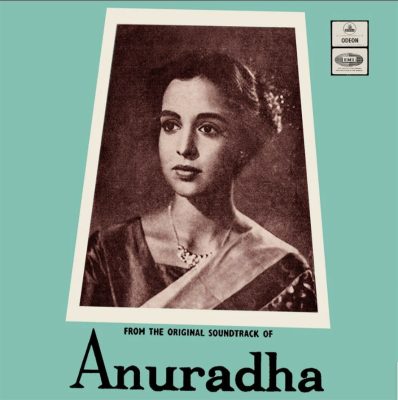
Director Hrishikesh Mukherjee discovered Leela’s photograph and decided to cast her in the title role of his forthcoming film Anuradha opposite Balraj Sahni. This began her career in Hindi films in 1960. Anuradha was a sensitive story that required a mature performance. Leela surprised critics with a seasoned performance in the title role, and the film won the National Award for Best Film. Its music by Pandit Ravi Shankar still delights listeners today.
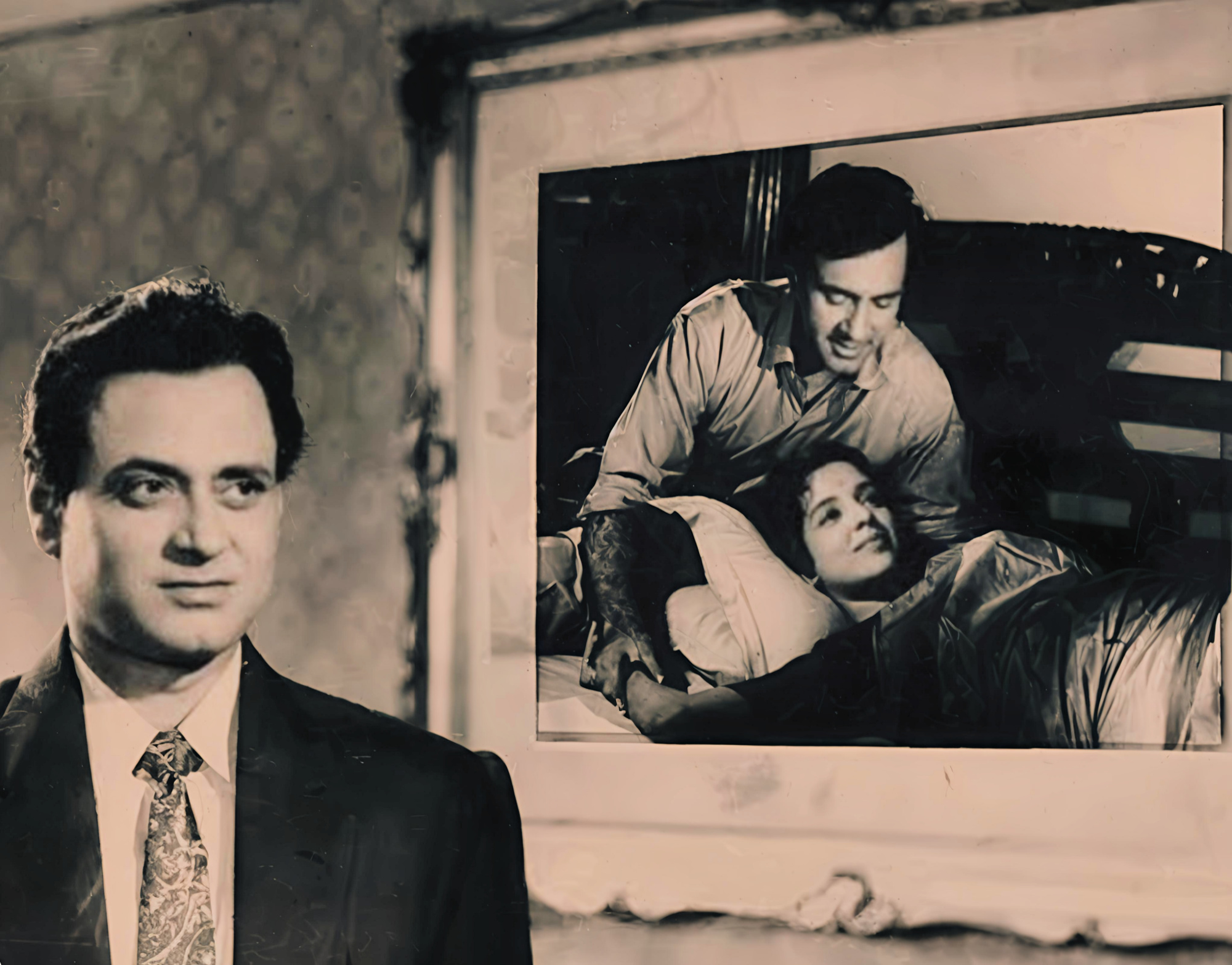
Her next film, Ummeed, was released in 1962 and was directed by the legendary Nitin Bose. Bose had achieved great success a year earlier with Gunga Jumna, a film considered his masterpiece. Leela appeared alongside Joy Mukherjee and Ashok Kumar in Ummeed, with music by Ravi.
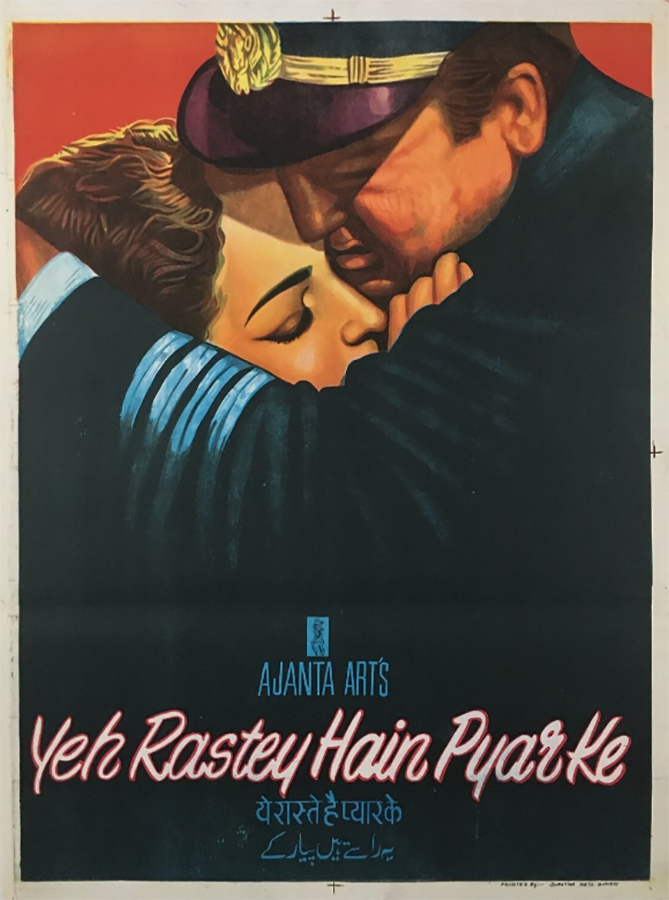
Another memorable role for Naidu came in 1963 with Sunil Dutt‘s Yeh Raaste Hain Pyaar Ke directed by RK Nayyar. This film gave her the opportunity to deliver an outstanding performance as an adulterous wife. The murder mystery was inspired by the famous court case ‘KM Nanawati vs. State of Maharashtra’, which had made headlines across the country. Though the songs composed by Ravi, Yeh raaste hain pyaar ke and Yeh khamoshiyan, became chart-toppers, the film did not achieve commercial success at the box office.
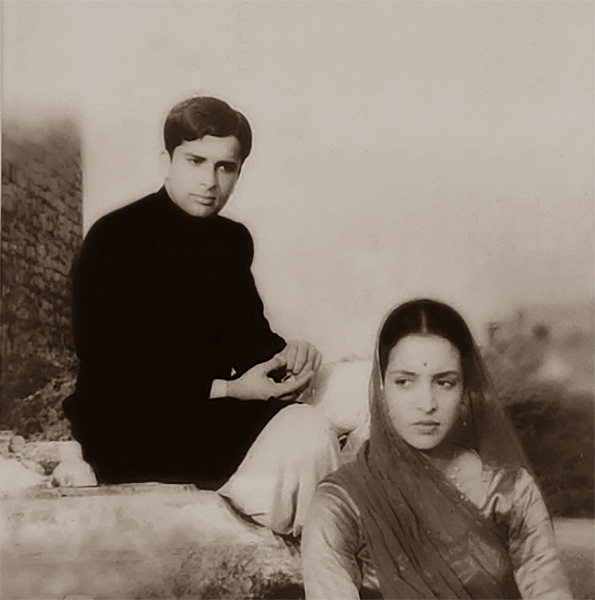
The same year, Leela was seen and admired in Merchant Ivory’s The Householder, where she played a free-spirited wife with such dedication that it remains one of her finest roles. The film was a Hindi-English bilingual, based on Ruth Prawer Jhabvala’s novel of the same name. Its Hindi dialogues were written by Prayag Raaj, and Satyajit Ray composed the music.
Leela worked in Ram Dayal’s Baghi in 1964 opposite Pradeep Kumar. Vijaya Choudhury and Mumtaz were also in the cast. However, the film failed to perform well at the box office. Her career in Hindi films began to decline after this film. She made a guest appearance in Merchant-Ivory’s Guru in 1969, the same year she married writer Dom Moraes, her childhood friend. This relationship also did not succeed, though it lasted for several years.
Years later, Leela Naidu returned to the arc lights with Shyam Benegal‘s Trikaal, a brilliantly shot film set in Goa. Leela once again delivered a memorable performance in this film, which won two National Awards. The last film she appeared in was Pradeep Krishen’s Electric Moon in 1992.
Throughout her career, she appeared in very few films, but the impact of her performances was so profound that she is still admired and respected as a formidable performer today. She died in Mumbai on July 28, 2009, leaving behind wonderful memories of her roles for millions of fans.
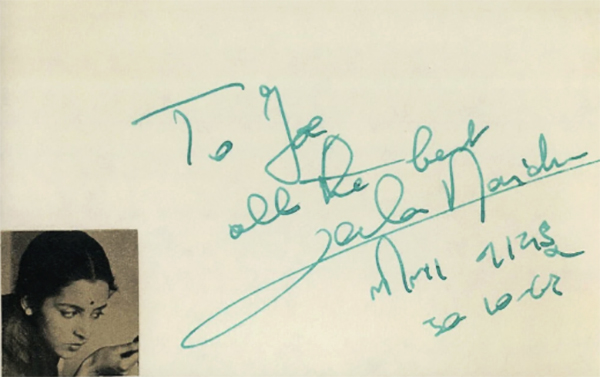
All pictures are courtesy SMM Ausaja Archives
More Must Read in Silhouette
Kanan Devi: ‘The First Singing Star’
Rahe Na Rahe Hum: ‘Mahanayika’ Suchitra Sen’s Aura Lingers On…