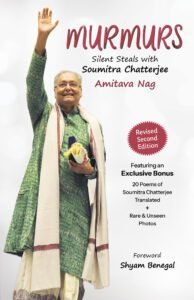
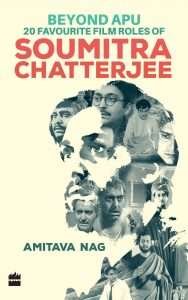
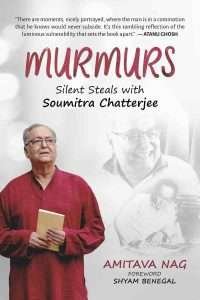
Amitava Nag is an independent film critic based in Kolkata and editor of Silhouette. His most recent books on cinema are Murmurs: Silent Steals with Soumitra Chatterjee, 16 Frames and Smriti Sattwa o Cinema. His earlier writings include the acclaimed books Satyajit Ray’s Heroes and Heroines published by Rupa and Beyond Apu: 20 Favourite film roles of Soumitra Chatterjee published by Harper Collins India. He also writes poetry and short fiction in Bengali and English – observing life in a platter. He can be reached at amitavanag.net.

My creations

Haunted, Seduced and Uncertain – the Cinema of Anik Dutta

A filmmaker becomes a legend after death. But beyond the mythology, what remains of Anik Dutta’s cinema? A tribute to the filmmaker.

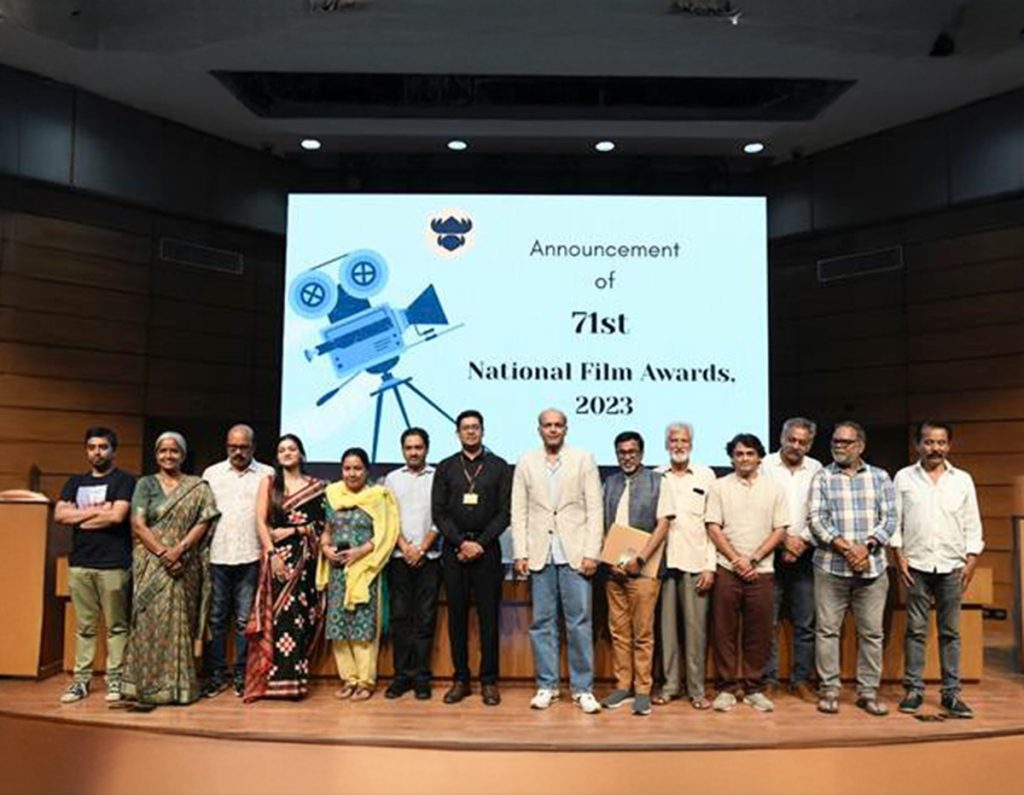
71st National Film Awards, 2023: A Travesty of Purpose

This year is the first time that there has been no announcement of a winner for the Best Book on Cinema at the 71st National Film Awards. Amitava Nag questions.

Ankur (1973): The Seed of Revolt Against Rural Power Dynamics

Shyam Benegal’s Ankur explores class, caste, and gender dynamics in rural India, exploring the subjugation of women and their quiet rebellion. A review.

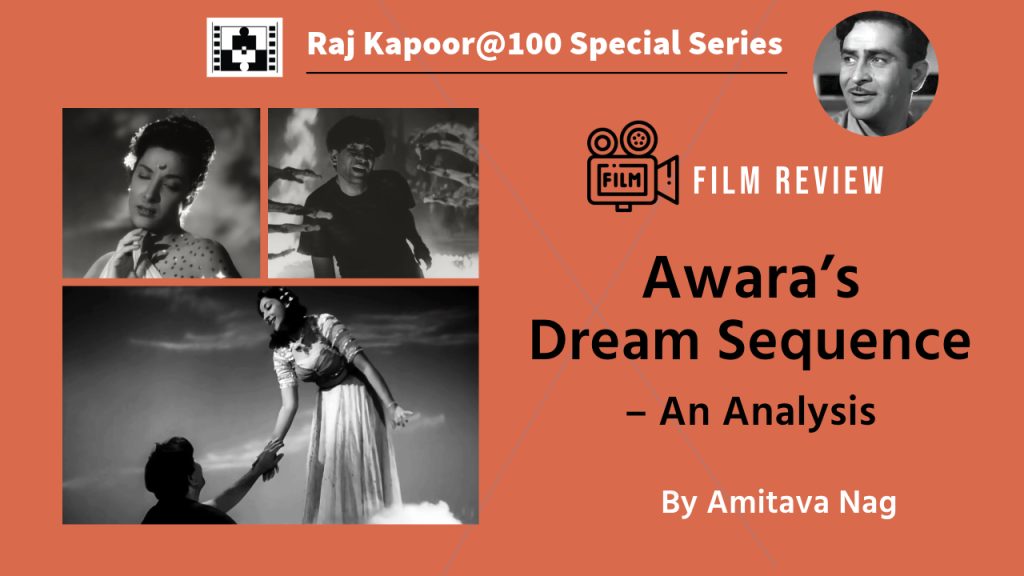
Awara’s Dream Sequence: An Analysis

Raj Kapoor’s success as a producer and director lies in his understanding of the importance of film music. It is showcased in Awara’s famous dream sequence.

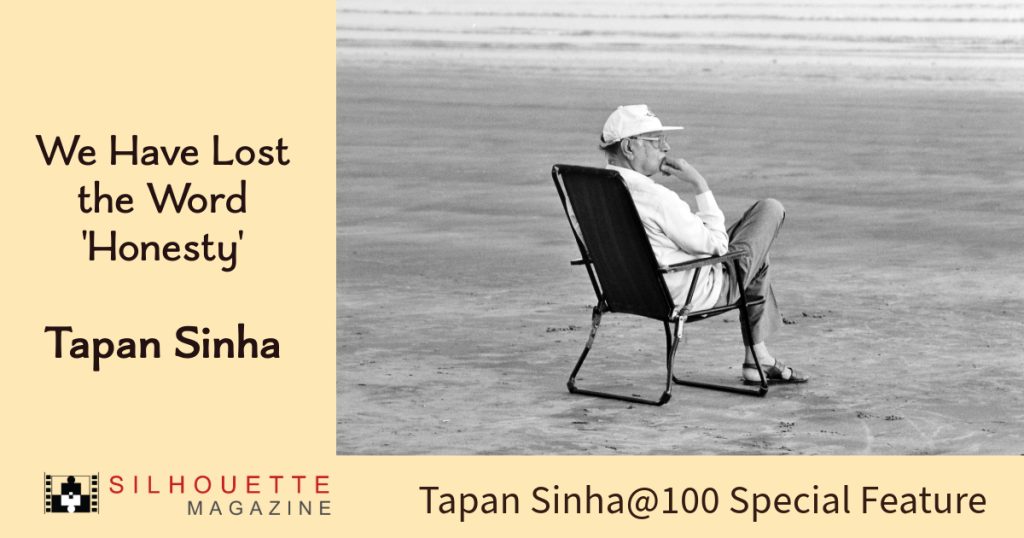
We Have Lost the Word ‘Honesty’: Tapan Sinha

Renowned director Tapan Sinha reflects on the decline of Bengali cinema, lamenting its loss of cultural identity and the prioritization of profit over artistry.

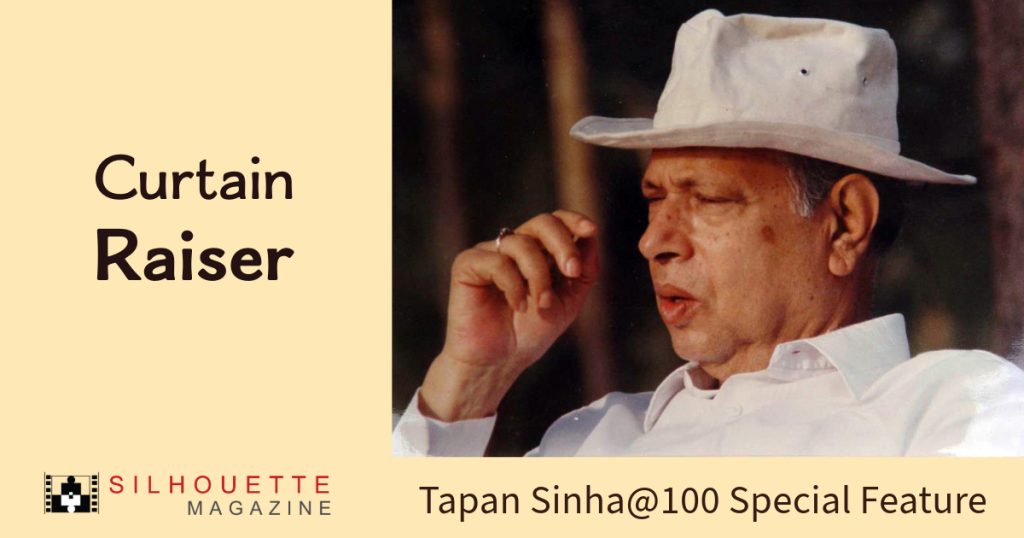
Tapan Sinha@100 – Curtain Raiser

Discover Tapan Sinha’s overlooked cinematic legacy as Silhouette celebrates his birth centenary with a series exploring his accessible, award-winning films.

‘He Only Wanted to Make Films About People He Had Direct Contact With’: Kunal Sen Remembers His Father Mrinal Sen

Kunal, son of Geeta and Mrinal Sen has penned an evocative account of his father in a memoir, Bondhu, published in 2023. An Interview by Amitava Nag

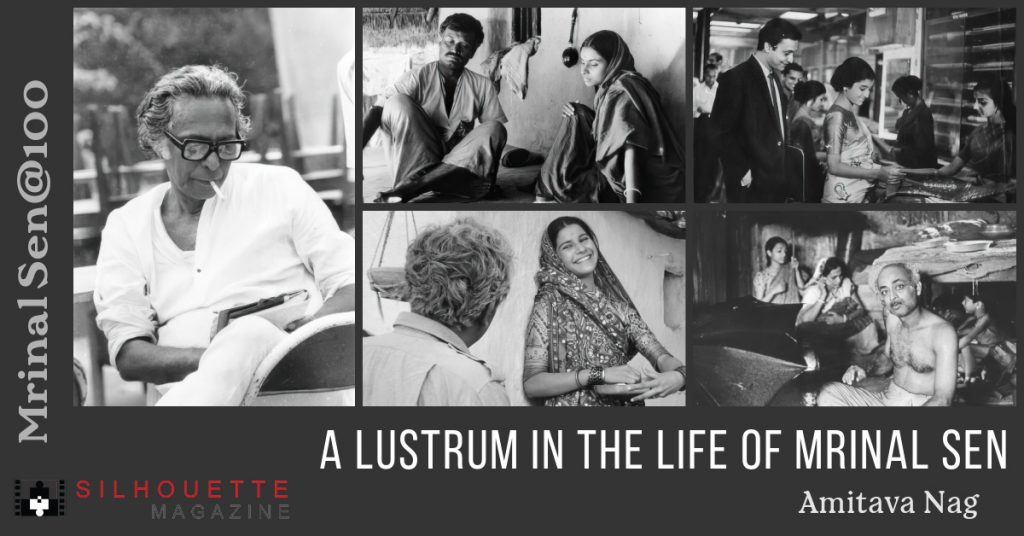
A Lustrum in the Life of Mrinal Sen

Between 1966 and 1969, a demi decade, the shift in Mrinal Sen’s cinematic temperament is prodigious. Amitava Nag scrutinises these 5 years.

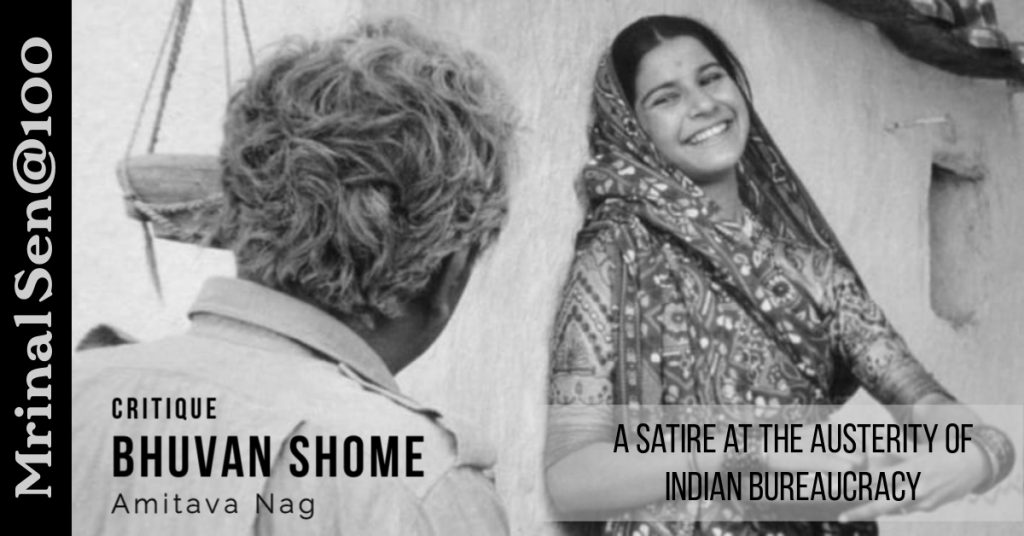
‘Bhuvan Shome’ – A Satire at the Austerity of Indian Bureaucracy

Amitava Nag explores how Mrinal Sen’s groundbreaking film, Bhuvan Shome, ignited India’s ‘Nouvelle Vague,’ blending satire, social commentary, and experimental techniques.

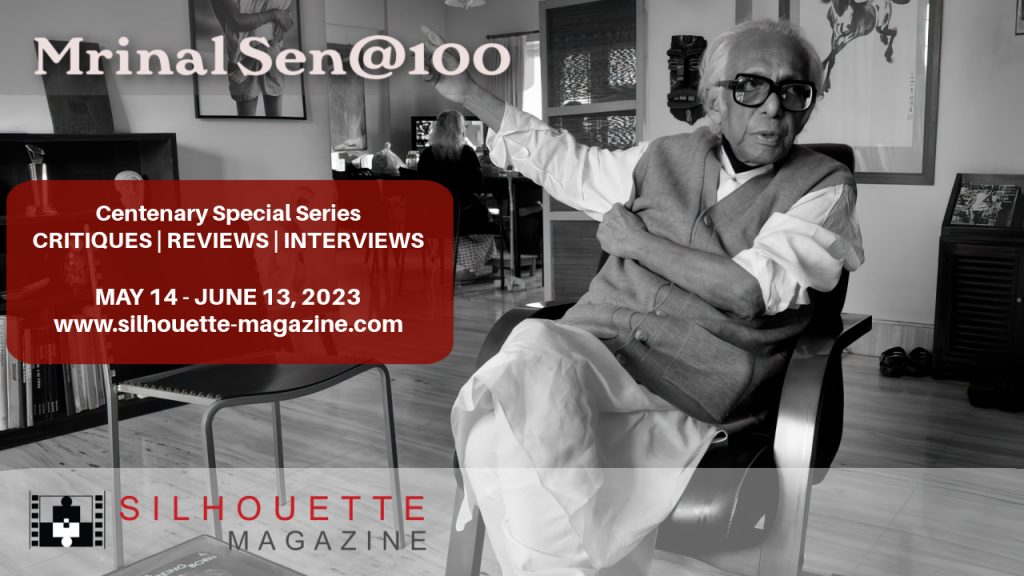
Mrinal Sen@100 — A Centenary Tribute Special Series

Curtain raiser on the centenary celebration of Mrinal Sen’s birth anniversary for a special series of critiques, reviews and interviews.

Bengali Cinema During the Freedom Struggle

Throughout the 1930s and 1940s Bengali cinema produced socially aware films, which seldom attacked the British imperialism and oppression. A study.

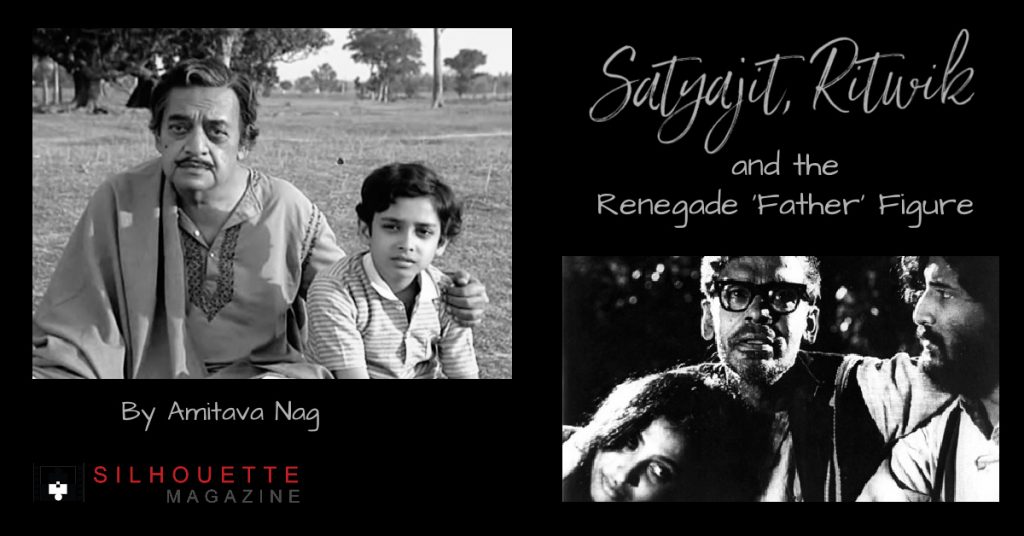
Satyajit, Ritwik – and the Renegade ‘Father’ Figure

In a brief critique, Amitava Nag looks at how Satyajit Ray and Ritwik Ghatak with their different socio-psychological conditionings deal with the ‘father’ figure in their very last film.

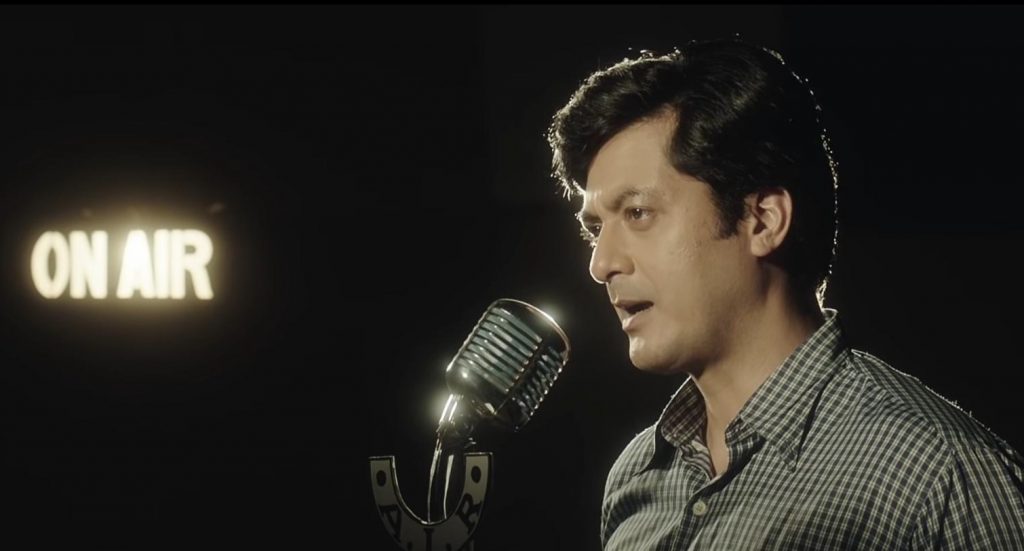
Abhijan: Soumitra Chatterjee’s Biopic – A Mosaic Missed

Parambrata Chatterjee’s biopic of Soumitra Chatterjee, Abhijan, aspires to be an account of the great actor. Amitava Nag gauges what Abhijan tries to explore.

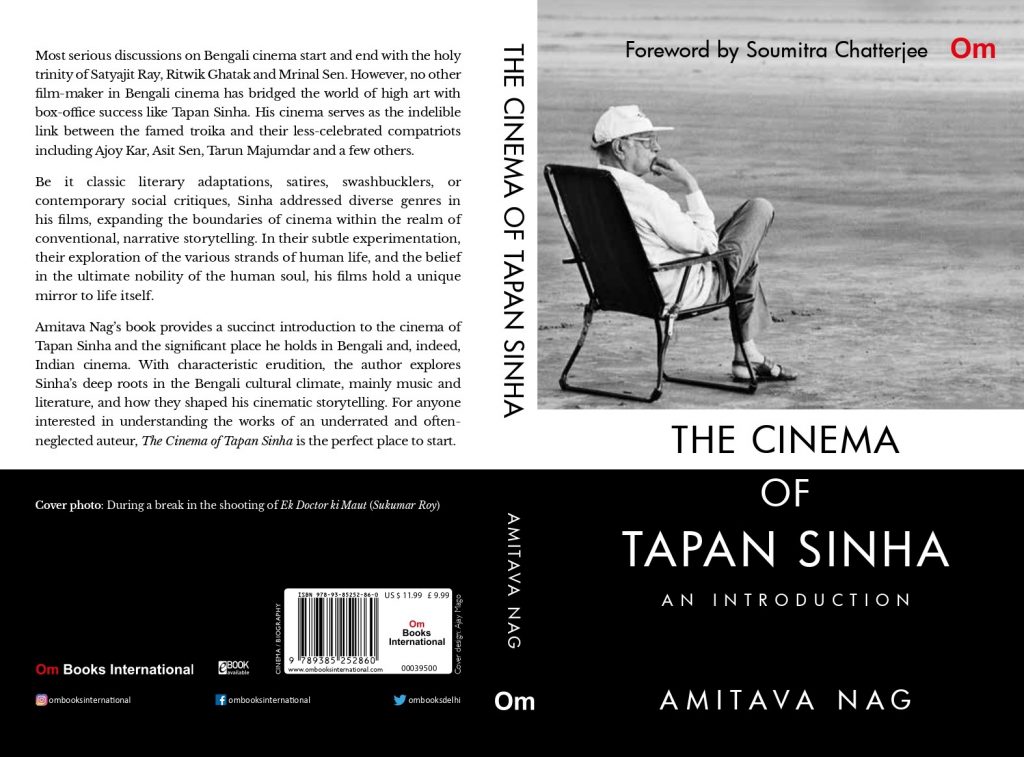
Tapan Sinha and the Triumvirate of Bengali Cinema

Amitava Nag’s ‘The Cinema of Tapan Sinha, An Introduction’ book provides a succinct introduction to the cinema of Tapan Sinha. An excerpt.

Buddhadeb Dasgupta’s Mando Meyer Upakhyan: A Deconstructive Reading

Buddhadeb Dasgupta’s Mando Meyer Upakhyan is a film that has many layers. Silhouette editor Amitava Nag deconstructs it from a post-modern perspective.

Buddhadeb Dasgupta’s Uttara – Poetry on Celluloid

Buddhadeb Dasgupta’s Uttara (2000) is a film with rare poetic vision. It went on to win the Special Award for Best Director at the Venice Film Festival. A Silhouette review.