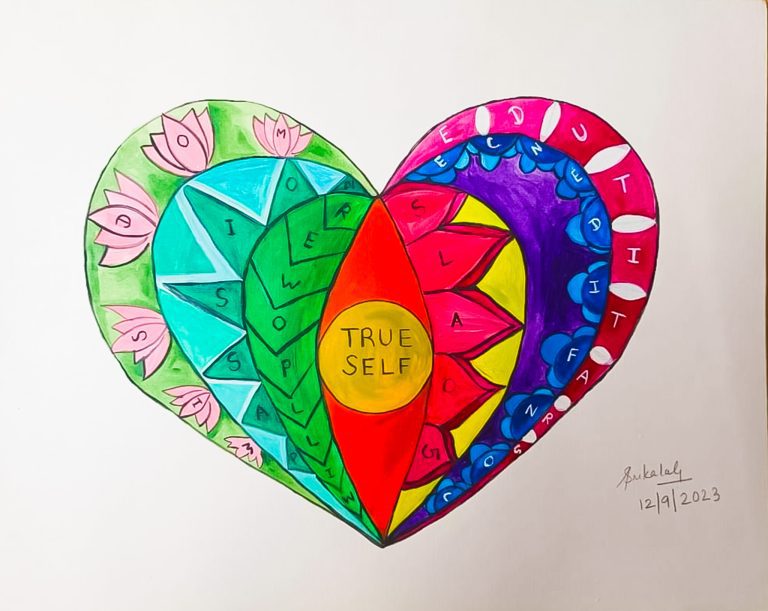
The body, and what lies beyond. The figure, and the essence of a figure. The image, and the abstract of it. These are the two counterpoints in art, just as they are in the discourse of a spiritual Indian, who has the freedom to choose between a Saakar and a Nirakar Brahma. Across the world, the human form has been the focal mode of artistic expression, as an examination of the Egyptian, Greek, Roman, Chinese, Mesopotamian, Mayan and Mohenjo-Daro art leads us to believe. However, in India, the intellectual or spiritual too has been given a physical representation — leading to the wide acceptance of ‘unnatural’ or unreal figures such as a ten-armed goddess Durga, symbolizing Shakti, or a ten-headed Ravan, the wise Rakshasa King.
Surprisingly, the reverse has been equally true, and the elephant-headed Ganesha of mythology emerged in the distilled lines of the Swastika.
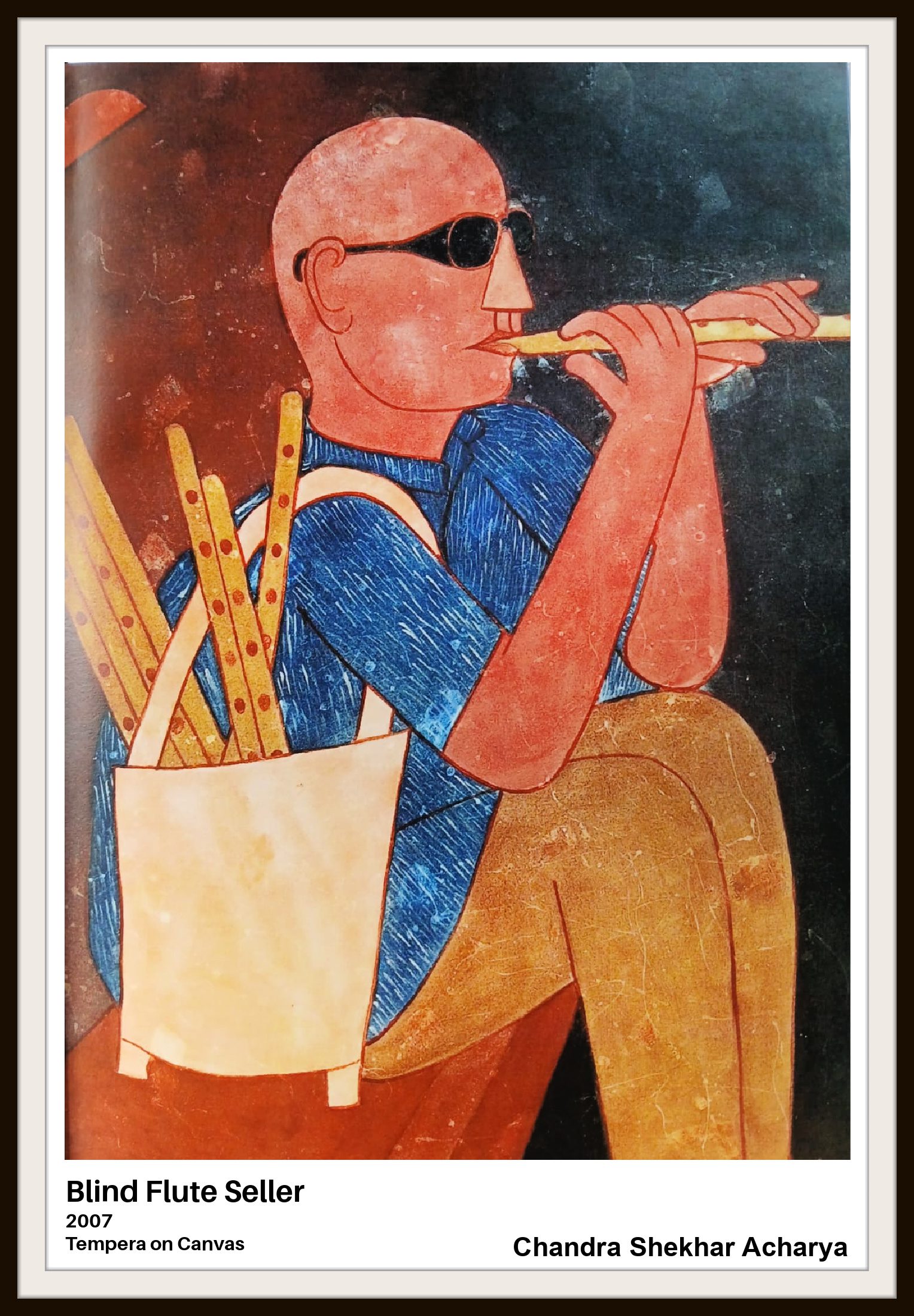
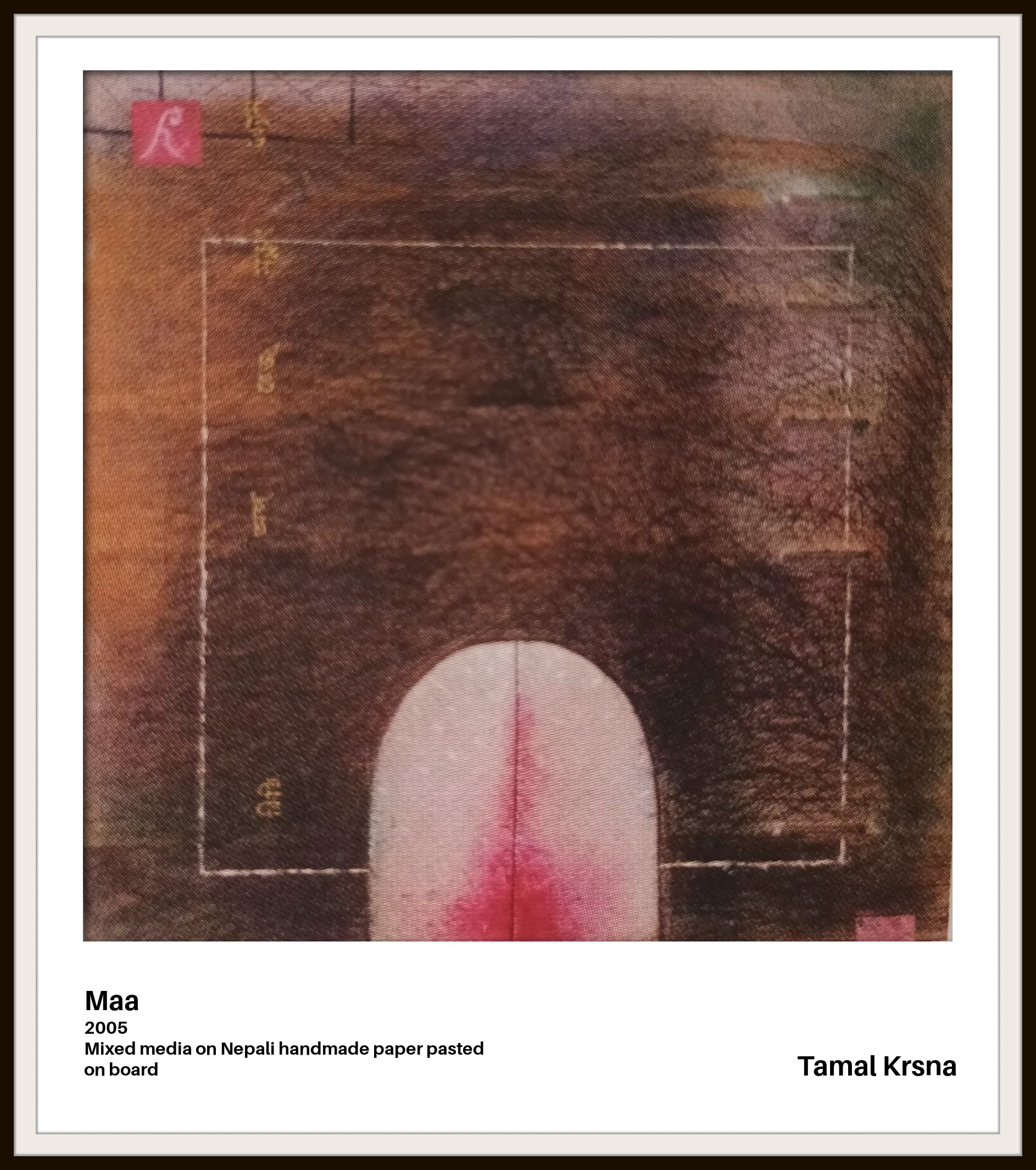
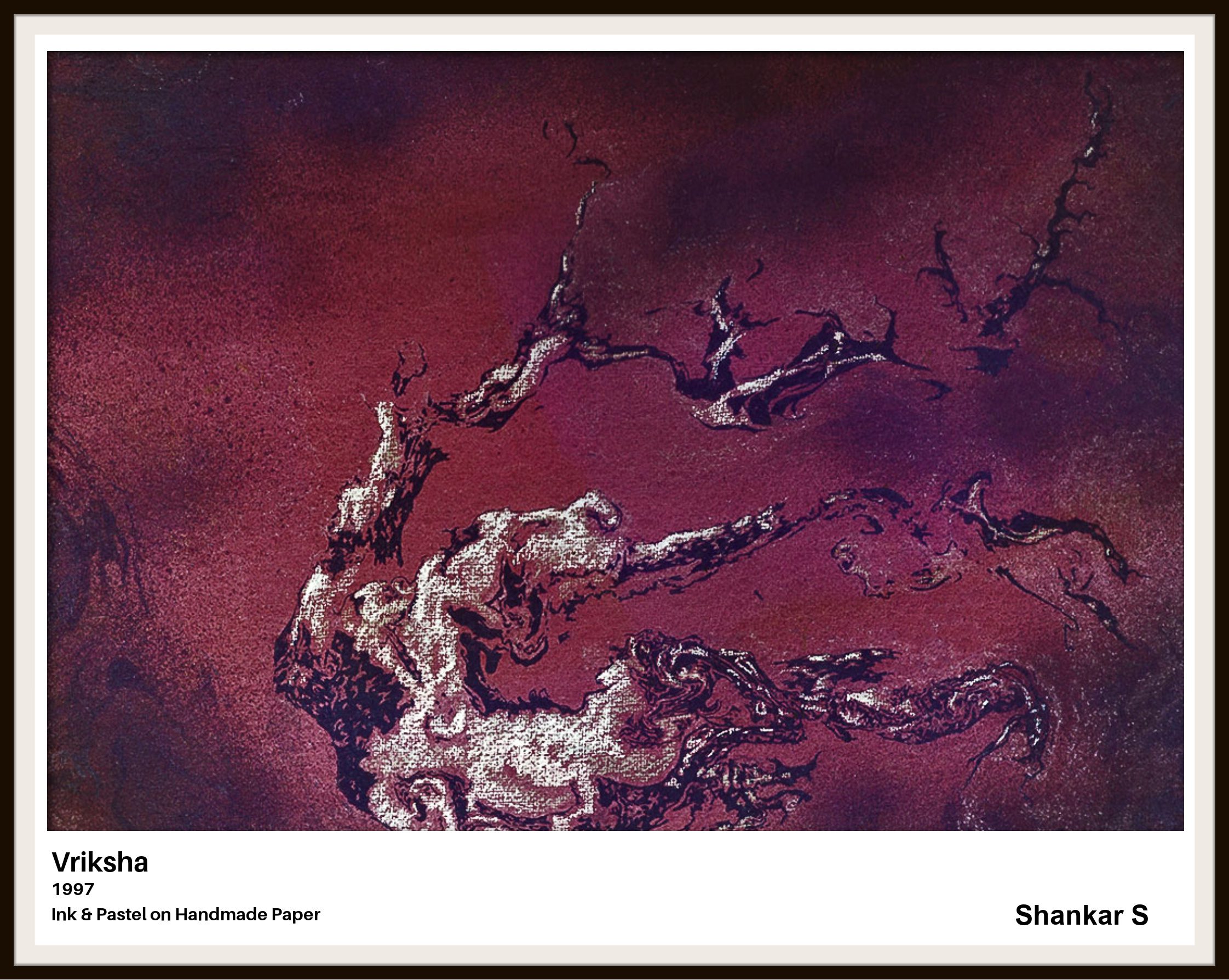
In the West, following the invention of the camera, the representation of the real lost much of its challenge. Art, then, came to articulate thoughts more than the physical reality or the natural world, and the abstract soon emerged as the expression of the ‘modern’ world.
Since the art institutions in India were a gift of the imperial government, Western art practices have had a dual impact. One sect, moved by Nationalistic feelings, rejected such explorations, and vowed allegiance to the narrative figurative traditions of the native soil that have had an unchequered history of multiple millennia.
Another section embraced abstraction as its heritage as citizens of the world. But interestingly, non-figurative art too has been placed in an Indian context. And even in the densely crowded metropolis that is Kolkata, a growing number of artists are going beyond their physical reality to boldly explore the world beyond.
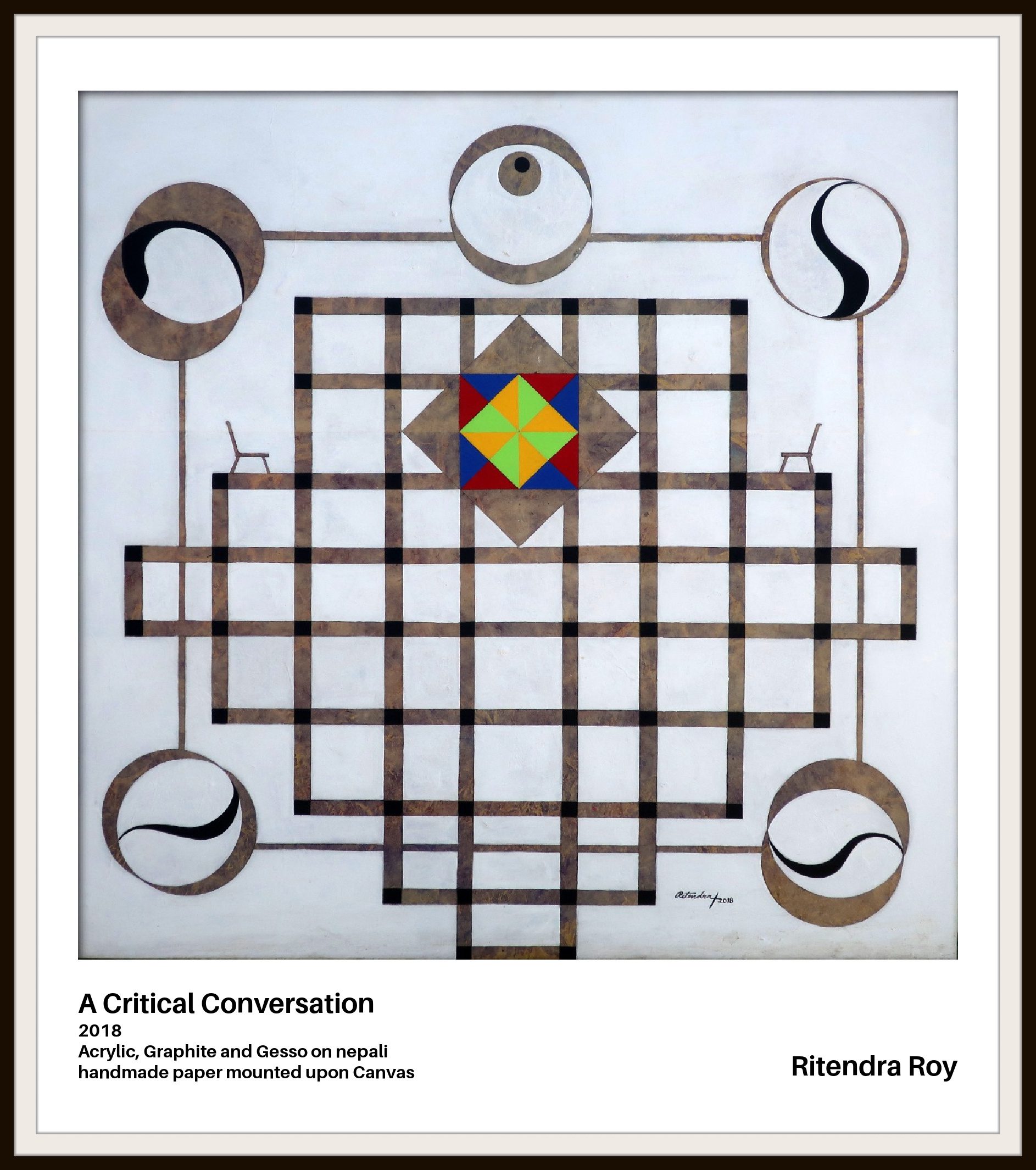
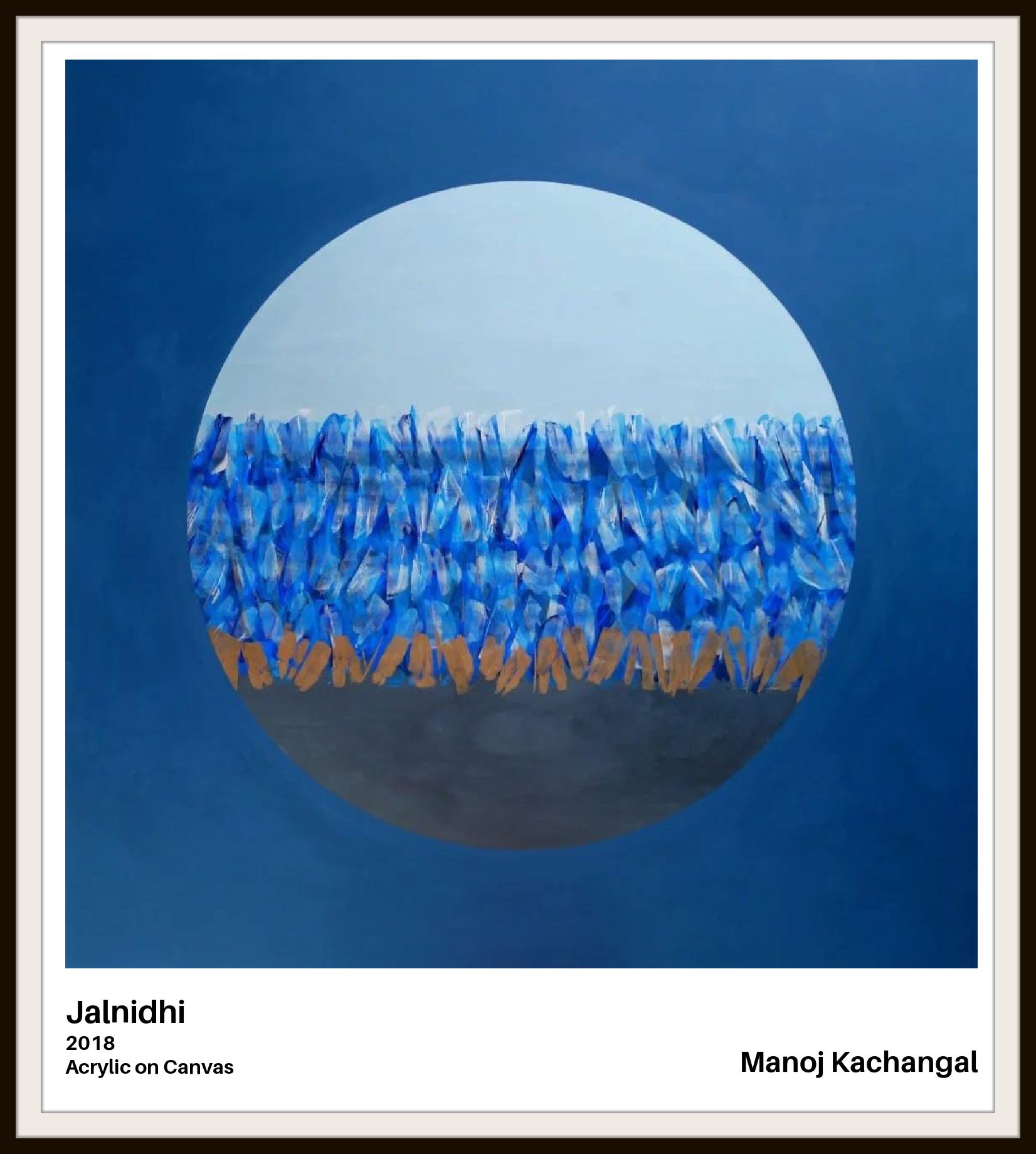
I can then happily say that Kaaya, the body, and Maaya, illusion, live together, like the two sides of a coin. And the form and the formless continue to breathe life into the art and soul of India.
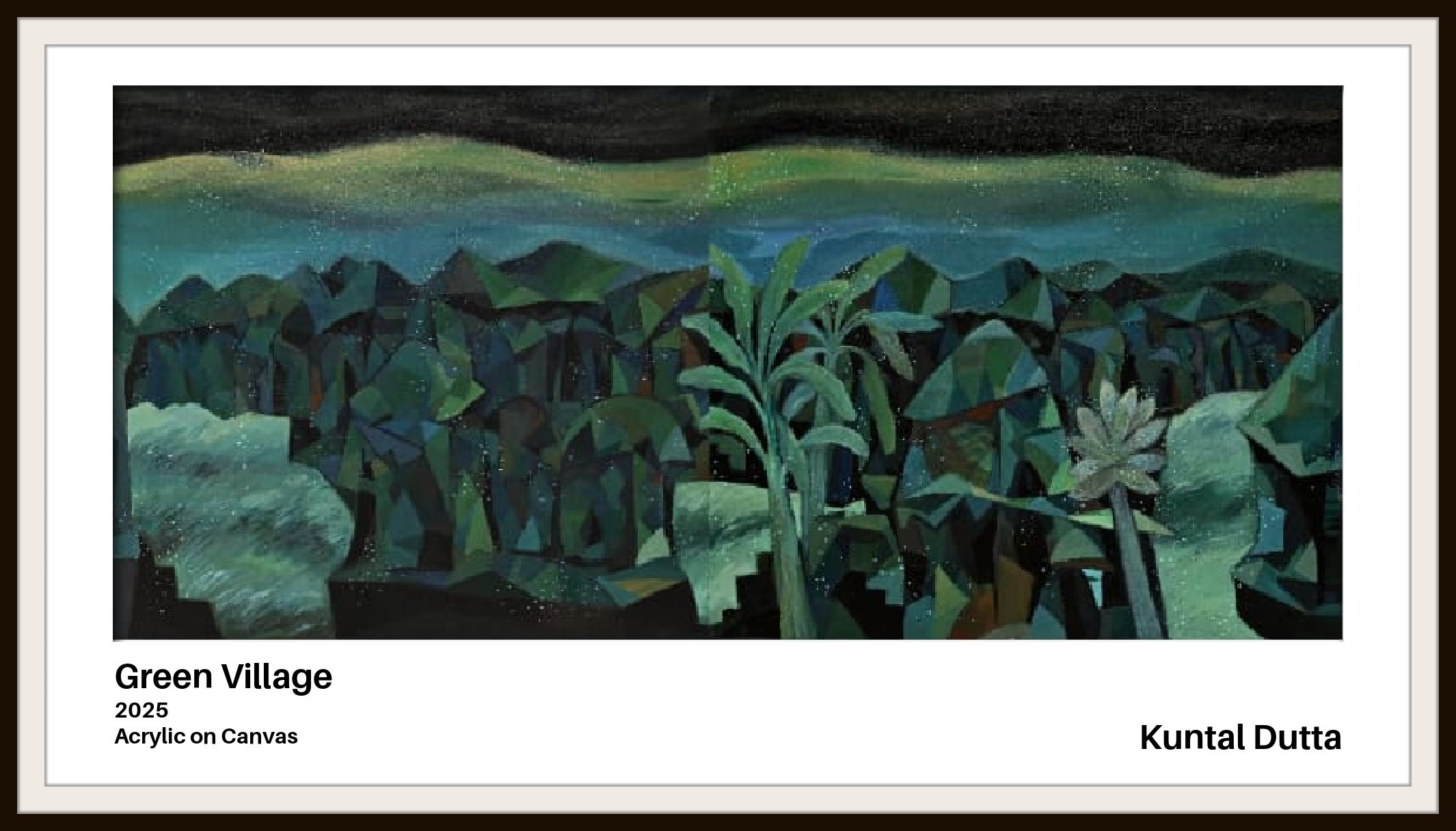
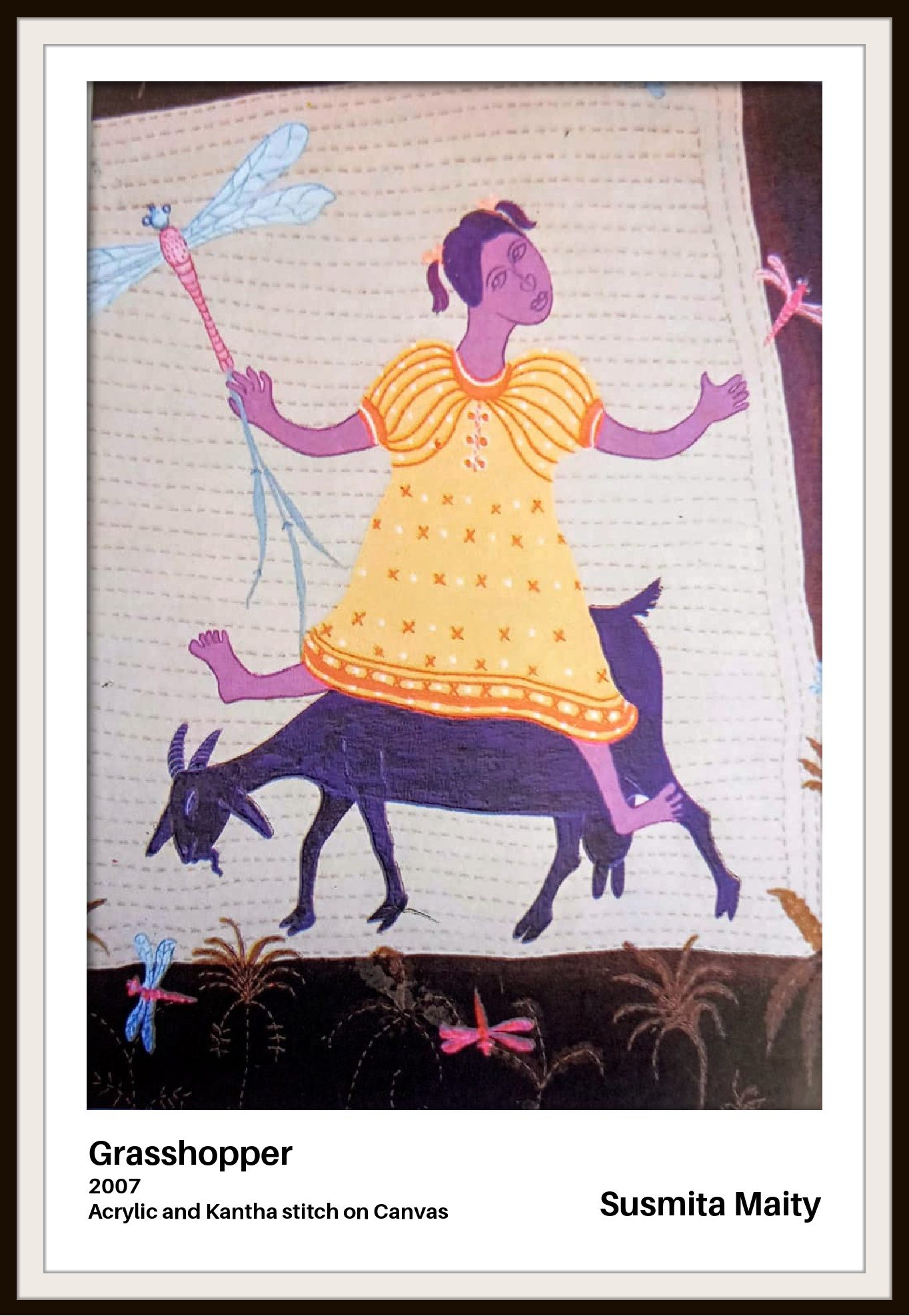
With this Musing I present a sampling of the art that exemplifies the thought. These images are by Biswajit Saha and Tamal Krsna, Ritendra Roy and Chandra Shekhar Acharya, Susmita Maity and Kuntal Dutta, S. Shankar and Manoj Kachangal.
Others exhibited included Hiran Mitra, Arindam Chatterjee, Shyam Kanu Borthakur, Nirban Ash, Tilak Mondal, Avijit Dutta, Anoop Giri, Biswapati Maity, Ratan Banerjee, and Swapan Pally. Many of these artists, then young, are now supremely established, while some who were then at the peak of creativity, are now in another world.
More Must Read in Creative Art
How I Dived into Glass Painting
Shot in Black & White – Treasured in the Heart: Photography by Manobina Roy