
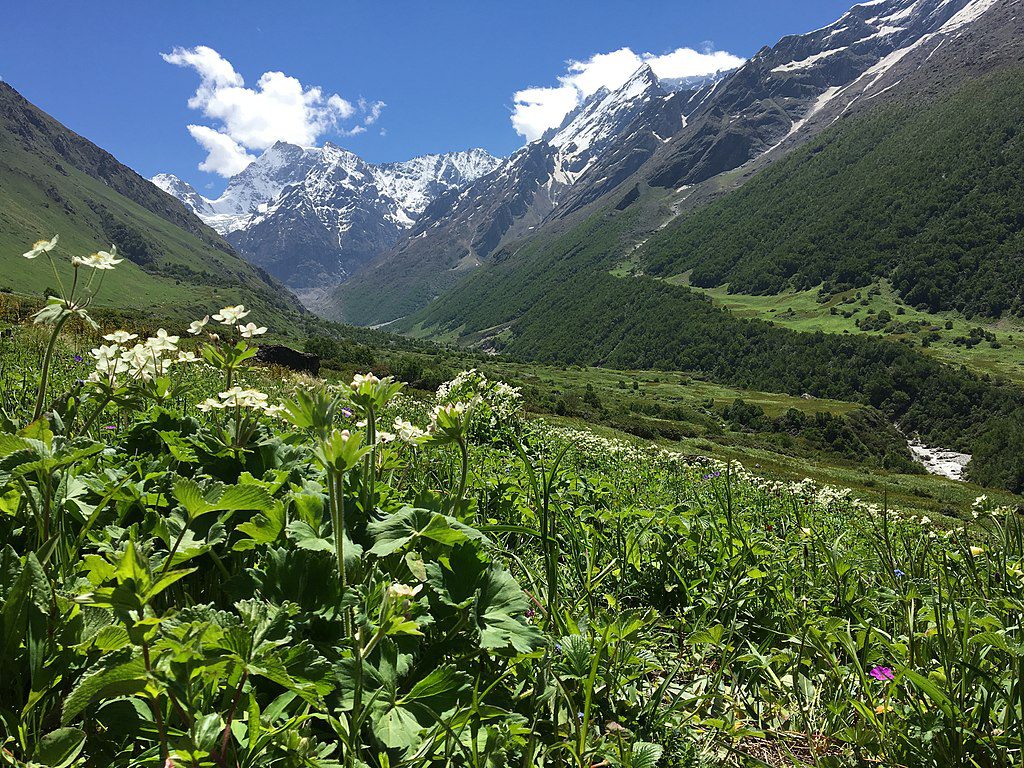
Look around and all you can see is flowers — vibrant and fragrant, blooming in all their glory. The thought itself brings about an instant smile. This awe-inspiring haven is a dream come true for nature enthusiasts and adventure seekers alike. It is a kaleidoscope of vibrant blooms, meandering rivers, and snow-capped peaks, all coming together in perfect harmony.
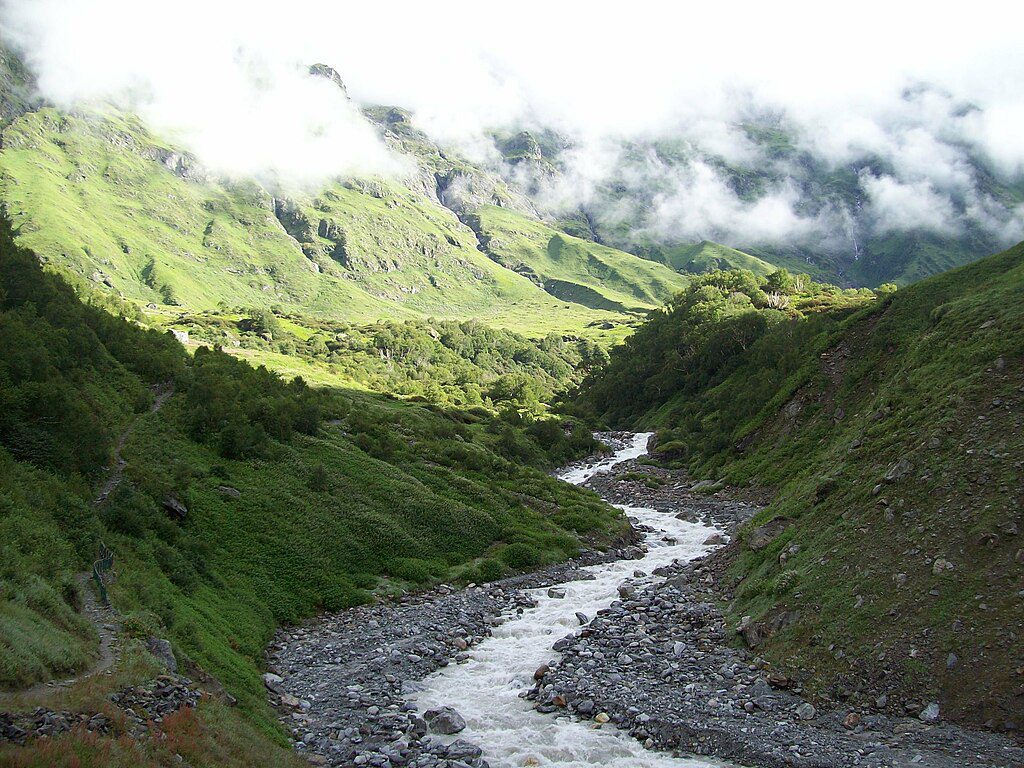
As you step foot into the Valley of Flowers in Uttarakhand, Himalayas, a breathtaking panorama unfolds before your eyes. You are greeted by a seemingly endless expanse of alpine meadows, adorned with a mesmerizing array of colorful flowers. From the regal Brahma Kamal to the delicate blue poppy, the valley is a living canvas of nature’s finest artistry. Be prepared to be serenaded by the sweet scent of wildflowers, especially in the wildflower bloom season, creating an enchanting ambiance that rejuvenates the soul.
The Valley of Flowers is a truly magical place. It is a place where you can escape the hustle and bustle of everyday life and immerse yourself in nature. If you are looking for a place to relax and rejuvenate, this is the perfect destination for you.
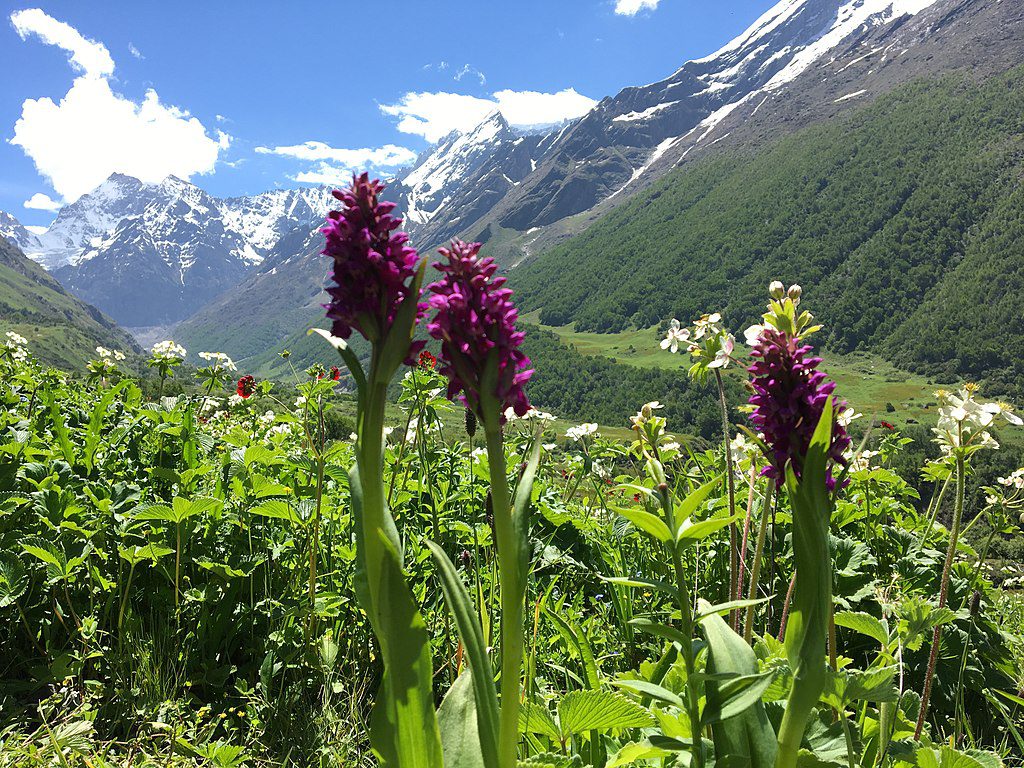
A Symphony of the Senses
The Valley of Flowers is not just a feast for the eyes; it’s an immersive symphony of senses. As you venture deeper into the valley, the gentle murmur of the Pushpavati River guides you through the landscape. Crisp, cool mountain air carries the melody of chirping birds and the occasional rustle of furry creatures scurrying amidst the foliage. This tranquil symphony will fill your heart with harmony and a sense of connection to the natural world.
The Valley of Flowers was discovered in 1931 by a group of British mountaineers who lost their way in the area. They were amazed by the beauty of the valley and named it, not surprisingly, the “Valley of Flowers.”
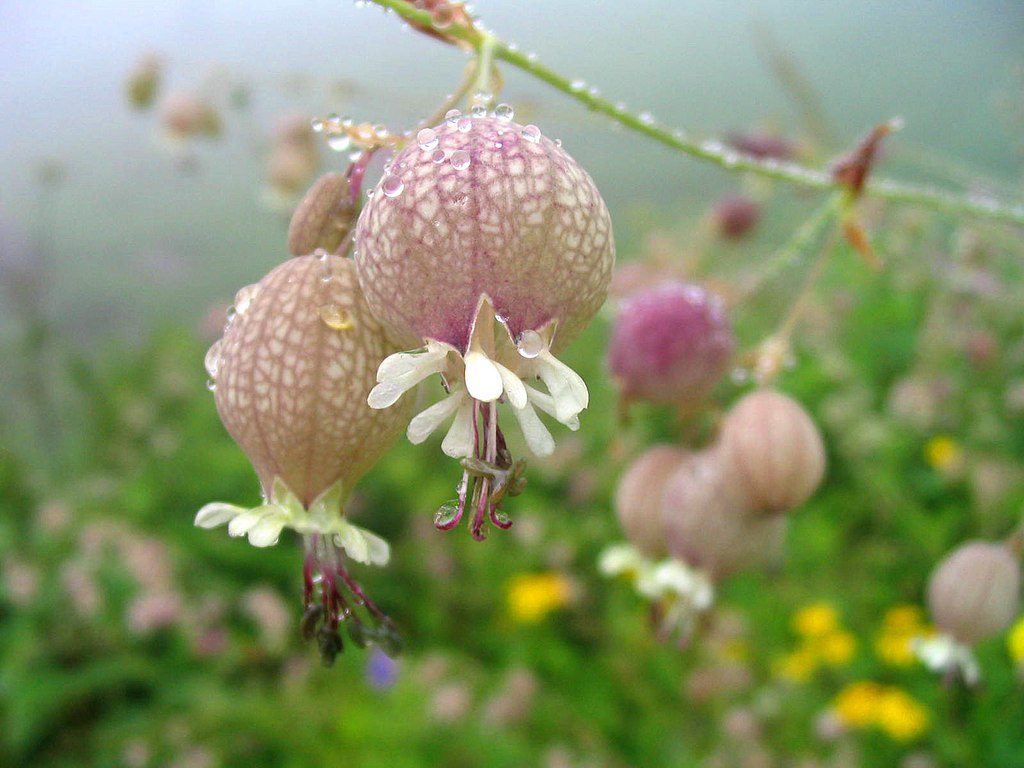
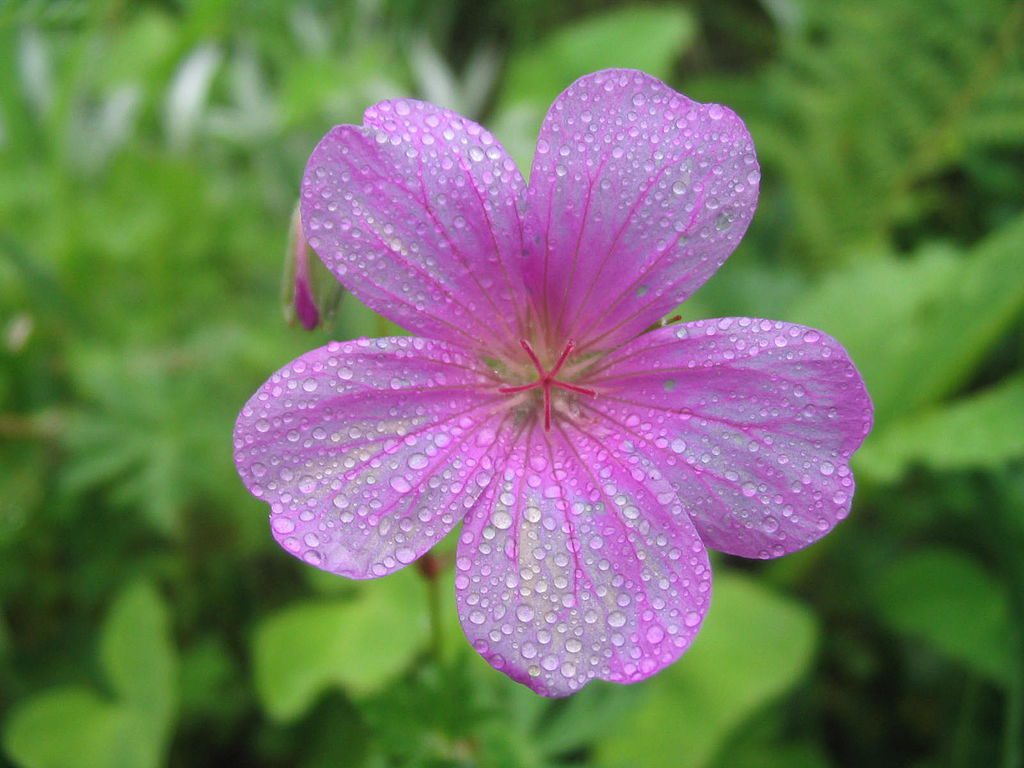
Think of an incredible floral diversity comprising over 500 species of alpine flowers including endangered species of flowers. Imagine beautiful wildlife, including snow leopards, Himalayan tahr, and musk deer. Yes, this is where you come up close and personal with Nature in all its beauty. During spring and summer, this biodiversity hotspot bursts into an explosion of colors. A riot of pinks, purples, yellows, and blues carpet the meadows, creating a surreal atmosphere. In autumn, the landscape adopts a golden hue as the flowers wane, but the valley’s charm remains undiminished. Winter graces the valley with a pristine coat of snow, transforming it into a snow globe wonderland.
The Valley of Flowers National Park is a UNESCO World Heritage Site located in the Chamoli district of Uttarakhand, India. It is a high-altitude valley (3,600 to 4,500 meters above sea level). The park was officially established in 1982 and is now one of the most popular tourist destinations in India.
How to Reach the Valley of Flowers
It is a remote location and there are no roads leading to the park. The only way to reach the park is by trekking or by helicopter.
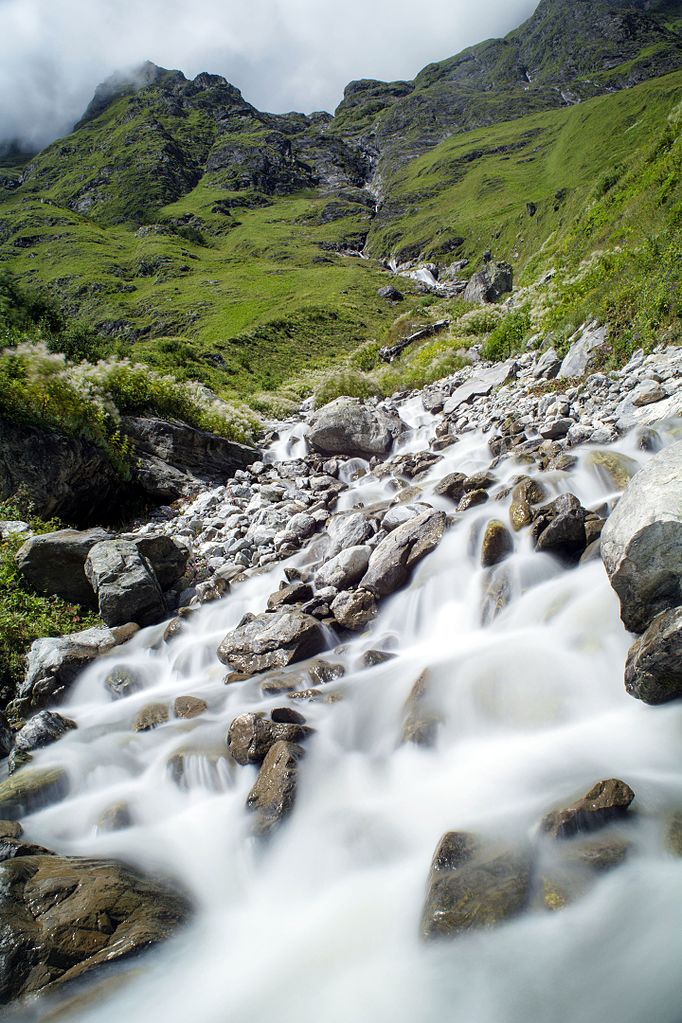
The most popular way is to trek. The easy-to-moderate trek starts from the picturesque village of Govindghat, leading you through quaint villages, dense forests, and gushing waterfalls. As you trek higher, the scenery evolves, revealing awe-inspiring vistas at every turn. Finally, reaching the valley, your efforts will be rewarded with a sight that defies imagination, making the journey an unforgettable part of the experience.
Nestled just a few kilometers away from the Valley of Flowers lies Hemkund Sahib, a sacred Sikh pilgrimage site. Set against the backdrop of the awe-inspiring Himalayas, the emerald green lake of Hemkund is said to possess healing properties. Surrounded by seven snow-capped peaks, this spiritual abode offers a sense of peace and serenity that is truly transformative.
There are a few helicopter services that operate services to the Valley of Flowers. However, this is the most expensive way to reach the park. The helicopter ride takes about 30 minutes and costs around INR 25,000 per person.
Once you are in the valley, there are different trails that you can take.
There are also a number of shorter trails that you can take if you are not up for a long hike.

Travel Tips
Here are some tips for visiting the Valley of Flowers:
- Plan your trip during the monsoon season (June to September) when the flowers are in full bloom.
- Be prepared for the altitude. The park is located at an altitude of 3,600 to 4,500 meters above sea level.
- Bring comfortable hiking shoes.
- Bring sunscreen, sunglasses, and a hat.
- Bring insect repellent.
- Bring a camera to capture the beauty of the valley.
- Be respectful of the environment.
Best Season to Visit Valley of Flowers National Park
The park is open year-round. The best time to visit the Valley of Flowers is during the monsoon season (June to September). This is when the flowers are in full bloom, and the valley is at its most beautiful. However, the weather can be unpredictable during this time, and there is a chance of rain.
During the winter (October to March) the flowers are not in bloom, and the weather can be very cold.
Cost of Trekking in the Valley of Flowers
The trekking costs depend on the length of the trek and the level of comfort you want. A basic 4-day trek will cost around INR 10,000 per person, including food, accommodation, and guide fees. A more luxurious trek with better accommodations and meals will cost around INR 20,000 per person.
In the heart of the Himalayas, the Valley of Flowers stands as an oasis of natural beauty, a testament to the breathtaking diversity our planet has to offer. Here, one can’t help but feel humbled by the sheer splendor of Mother Nature. So, if you seek solace, adventure, and a glimpse of heaven on Earth, the Valley of Flowers in Uttarakhand beckons you with its enticing allure. Embrace this enchanting realm and leave with memories that will last a lifetime.
More Must-Reads in LnC Travel
Explore the Enchanting Tarkeshwar Temple in Uttarakhand
Karavali: The Awe-inspiring String of Golden Beaches
Kanyakumari: A Voyage Into Spirituality
Thousand Islands of New York – Where Glamour Embraces Penury
The Goa Diaries: When A Pleasant Surprise Went Unpleasant