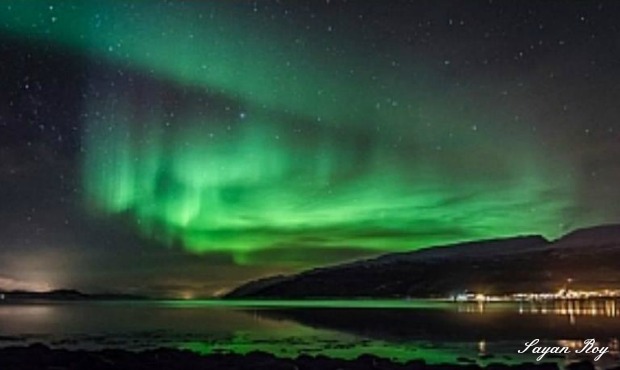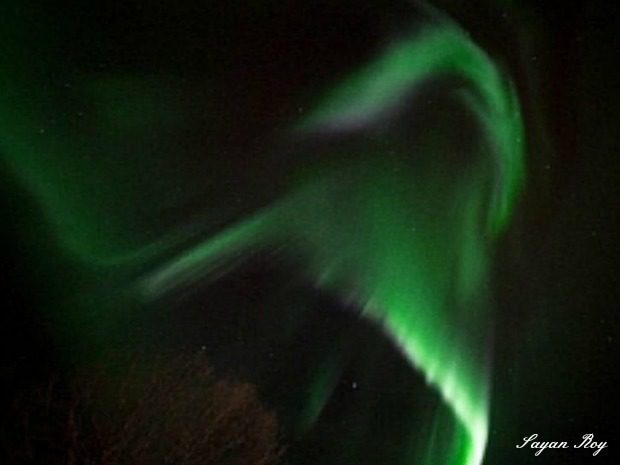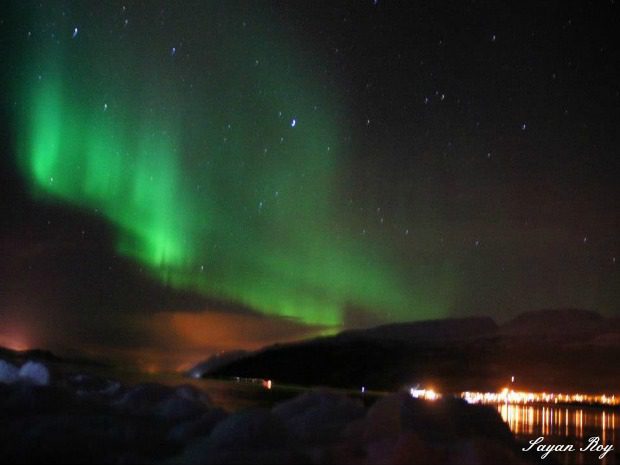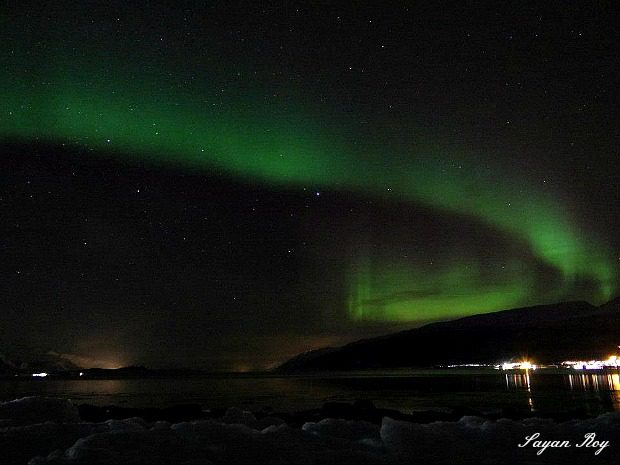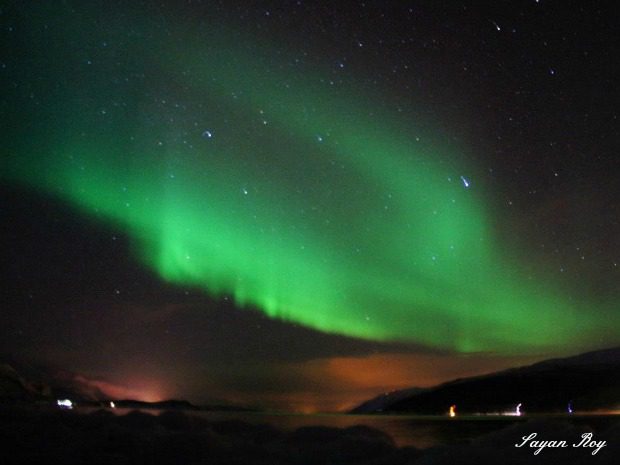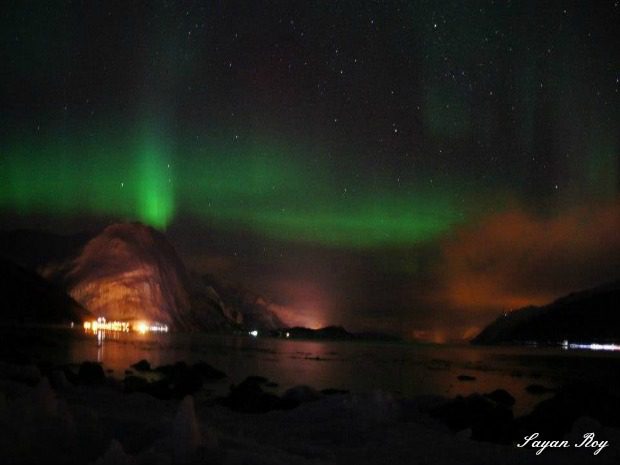

An ideal Christmas travel destination is Norway and Iceland for the spellbinding Aurora Borealis you get to see this time of the year, high up in these Arctic lands.
The natural lights casting amazing green images above earth’s surface is nothing short of a miraculous view for those experiencing it for the first time. And those who have to be content with images are left wondering just how breathtaking the phenomena is.
Aurora Borealis, also referred to as Northern Lights, were named by the French scientist, Pierre Gassendi, in 1621 after the Roman Goddess of Dawn, Aurora.
A natural light display that appears specifically in the high latitude (the regions of Arctic and Antartic), Aurora can be seen as a greenish glow (sometimes faint red) illuminating the northern horizons, thereby getting their name – Northern Lights.
Aurora Borealis light up the Norwegian skies most frequently in late autumn and winter/early spring. It is during 21 September – 21 March between 6 pm and 1 am when you get a good chance of seeing the bands of green flickering curtains or rolling smoke in the northern skies.
Aurora Borealis, since generations, have been fascinating foreigners and native alike. People, in large crowds, head towards Norway or Iceland to catch the mesmerizing glimpses of images in the backdrop of horizons.
It is a natural scientific wonder how this phenomenon happens:
As the electrons enter the Earth’s upper atmosphere, they encounter atoms of oxygen and nitrogen at altitudes from 20 to 200 miles above the Earth’s surface. The color of the Aurora depends on which atom is struck and the altitude of the meeting.
Oxygen, up to 60 miles in altitude takes on blue colour.
Oxygen, above 60 miles in altitude takes on purple/violet colour.
Oxygen, up to 150 miles in altitude takes on green colour.
Oxygen, up to 150 miles in altitude also takes on red colour.
Albeit, you have to rely on nature’s will to see Aurora Borealis as it’s every hour the light visits the atmosphere. It loves to play hide and seek so be patient while you wait to watch the illumination.
The Aurora gave rise to many legends and beliefs:
- Aristotle called it “jumping goats” because of its bizarre and often flame-like shape.
- Romans called them “chasmata,” the mouths of celestial caves
- In China, the Aurora was the origin of the early dragon legends and people imagined the flashes across the sky to be fiery breath
- Norwegian folklore considered the lights to be spirits of old maids
- In Finnish, the Aurora is called Revontulet (meaning Fox Fires), deriving its name from an ancient Finnish myth about a magical fox sweeping up the snow with its tail all across the sky.
- In Scotland, the lights are known as “the merry dancers”.
- The Lapps, or the Saami, who live in Lapland believed that the lights were the energies of the souls of the departed.
If you are looking for places to go in Christmas holidays, pack your travel bags for the Arctic for an enchanting Christmas vacation.
To check out the best places to stay in Norway or Iceland, browse handpicked options in Booking.com.
Glimpses of Aurora Borealis in Tromso, Norway
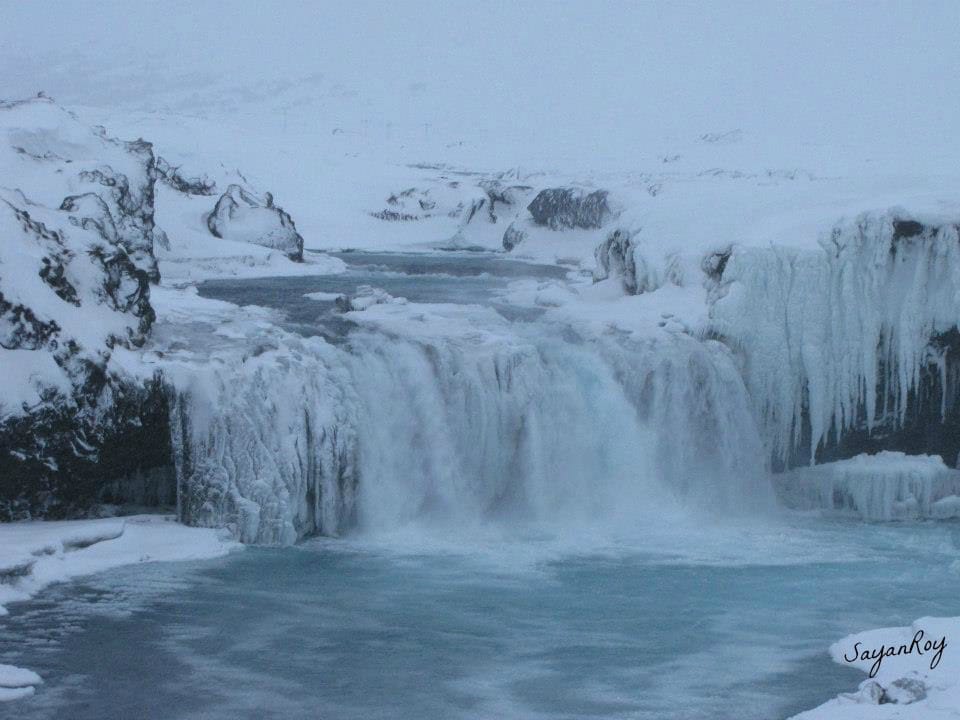
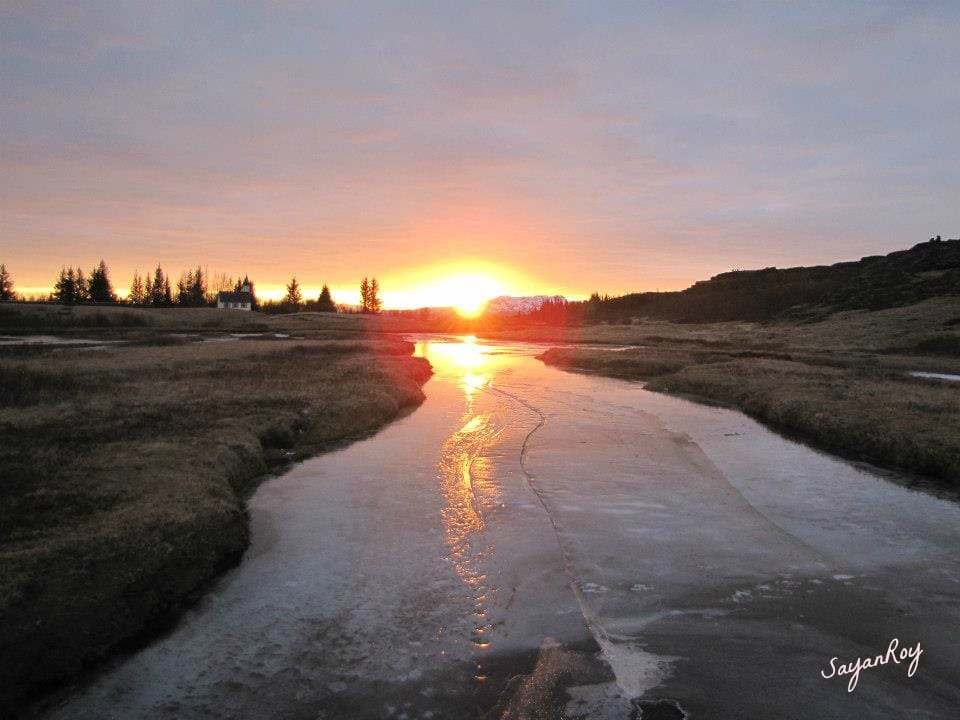
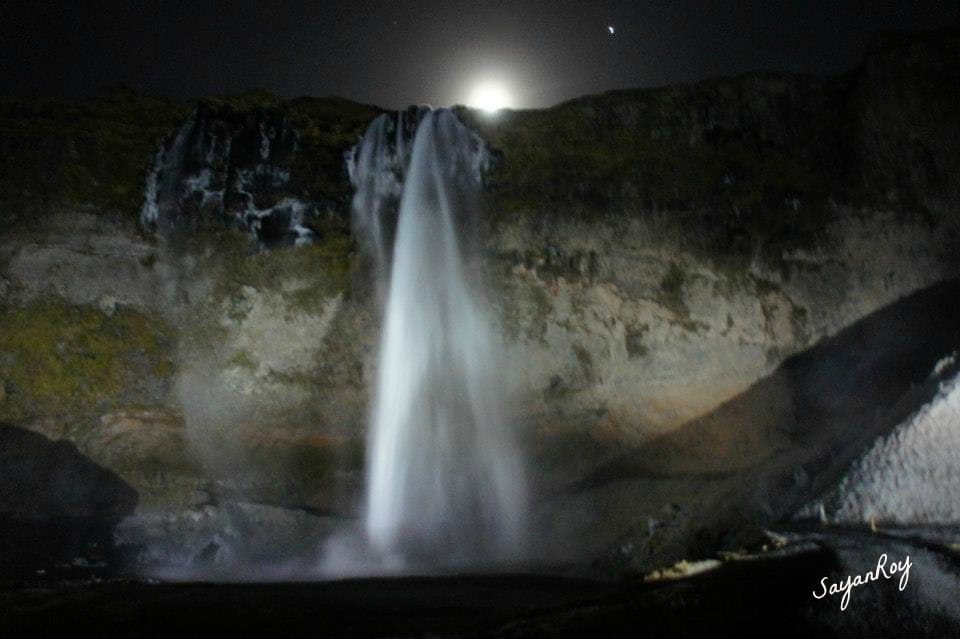
and amazing sights in Iceland
Photographs by: Sayan Roy